Lark O’Hora
Creative Strategist & Storyteller
Lark’s Why
This life was gifted to me to explore – every corner, facet, face, and object deserves its moment to shine if only given the chance and time. Every day, I try to give the ordinary a story. Through visual concepts, writing, photography, videography, travel, illustration, and storytelling, my creativity blossoms.
From the pages
⦁
from the pages
⦁
From the pages ⦁ from the pages ⦁
-
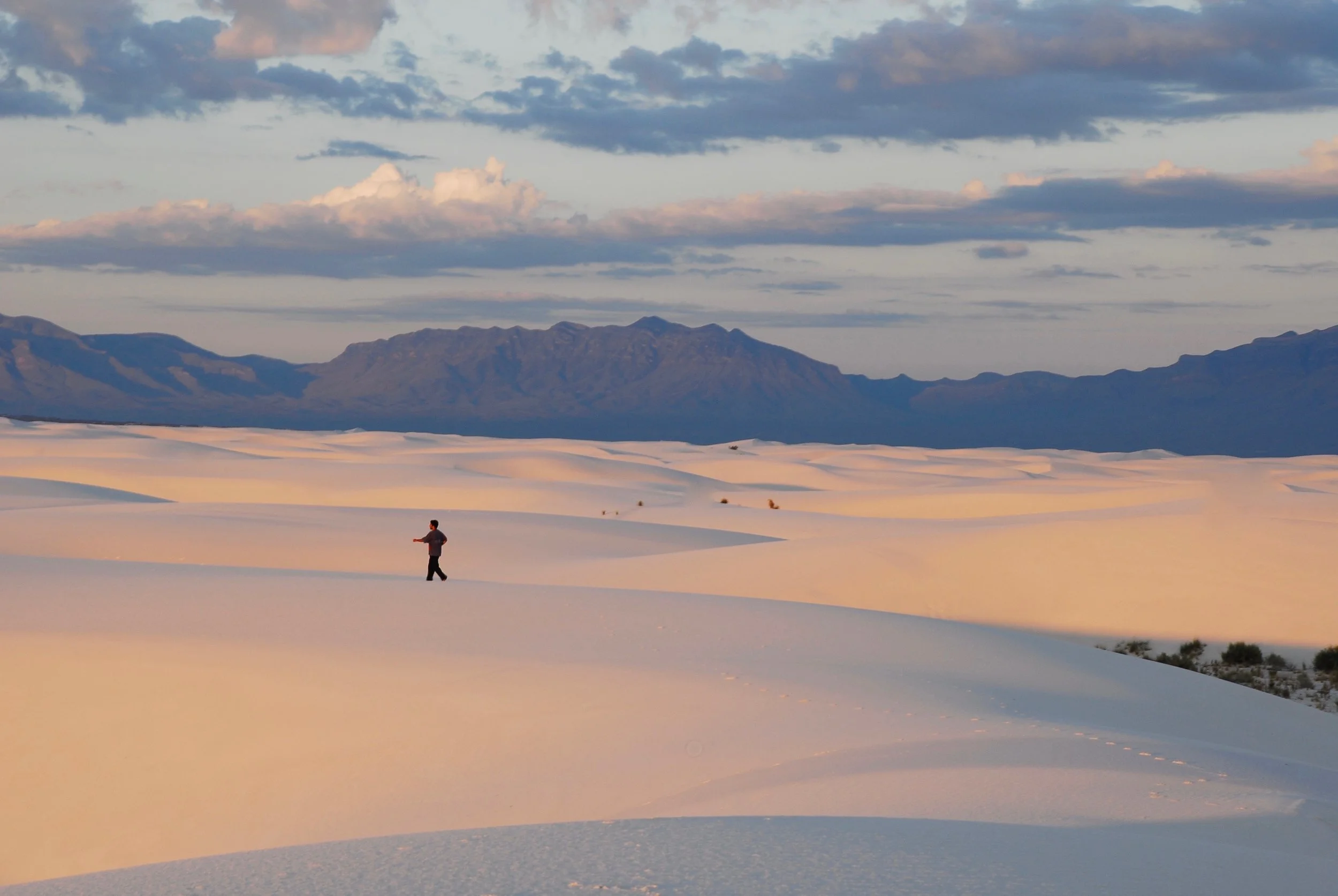
The windows always made way for the crisp air; allowing it to gently release from the sage brush through into the concrete walls, filling your lungs with the most wonderful wet scent. Not many wet scents are gentle to the nose… but this one. This one was compellingly delightful. One that every day I’m away I wish I had stored in a small corked bottle that never released that scent. We have thought about ways to make candles or air fresheners, but nothing could compare. The wet petrichor: a scent of juniper brought to life again, the stones washing their cheeks, the small spits of grass soaking up as many of the infrequent drops they could get. Rain in Santa Fe was never dreary. We looked forward to it, like the blessing it was. In the desert, we needed it. But it was never too much. Always just right. Enough to wash away the thin layer of dust from the face of the earth, and let the arroyos rage for a brief second. While in a desert, one would never imagine the water to equal power. But the first lesson we learned is to never cross the raging rivers. Short and small, but can capture you away with one ill-placed step on the fragile clay banks. The rain was never dark either. Maybe a thundercloud or two that resembled the deep blue-gray mountains. But more frequently, the rain came with the sun. Monsoon season was always a spectacle— golden sleets of rain pounding down to the terracotta earth, like confetti streamers after a big show. It would come for fourteen days, and we wouldn’t see it again until next year.
Most run from the rain. Get inside before they are soaked through.
I didn’t own my own umbrella until I was 21 years old.
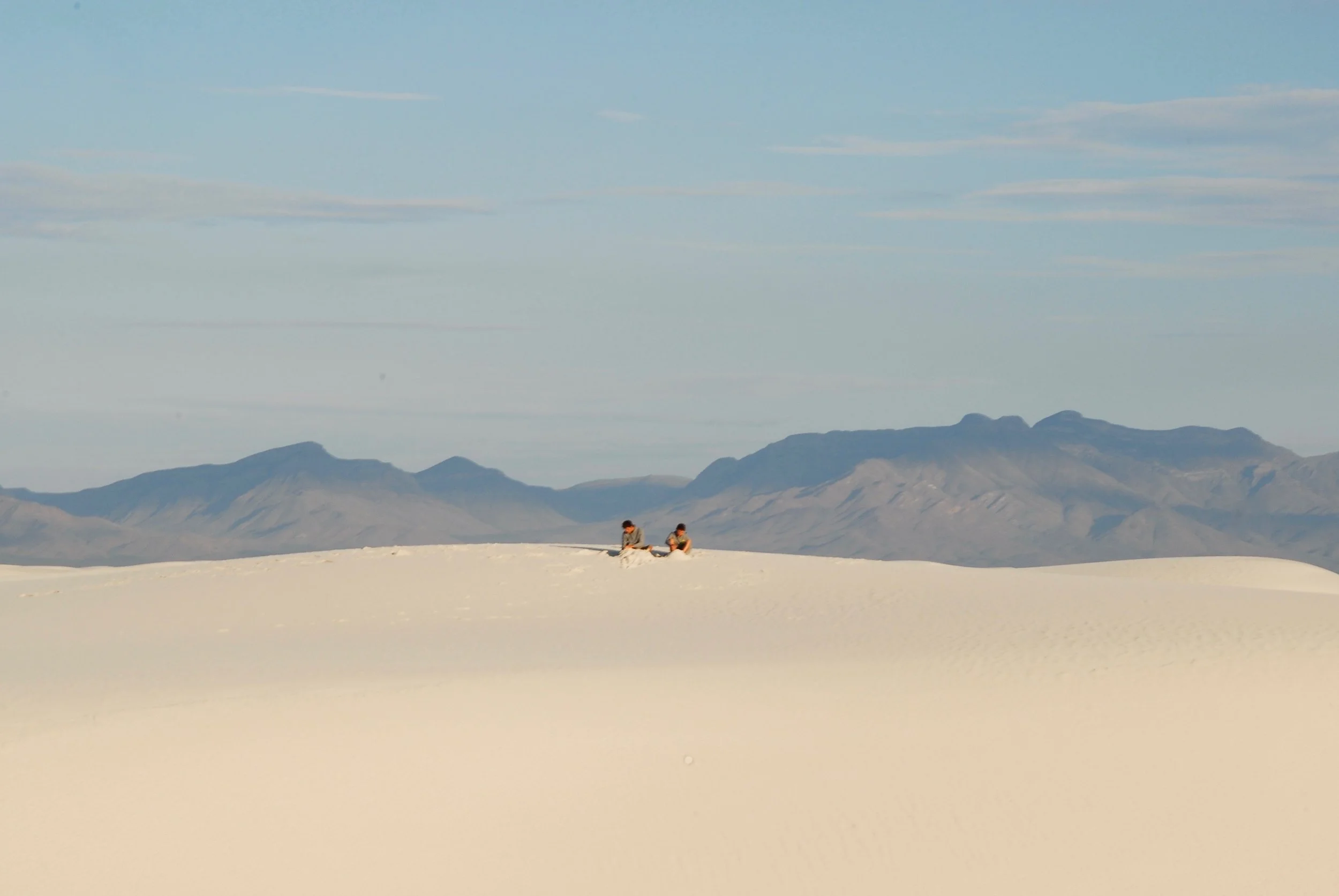
It was in this juxtaposition of a land I rested my bare feet on sharp rocks and cactus spines. Through barefooted expeditions across ridges of rounded hills through cragged mini-arroyos, you could trace the curvatures until your toes sunk into the softest sand. As if you were the size of a pinto bean and you stepped into a bowl of cinnamon. So soft it took the unique print off the base of your toes, leaving your tracks, but only for a little while until a whisper of a breeze erased the fact you were ever there. And that is how it felt. Every day in the land was new. Every morning brought a new sunrise, powerful and rich like the coffee that brewed every day at 6 a.m. Rich reds and oranges like the chile you’d find on your plate at dinner. The air was void of vehicle noises, machinery, voices. The coyotes sang for us. The cicadas and crickets were our white noise machines. The hummingbirds were reminders we lived somewhere warm. And that was it. A rare plane flying overhead reminded us we were human and we’d run outside to watch it. And at night, when the heat flew away like the sheet over my head as a child being tucked around me for the sweetest dreams and happiest thoughts, the cold settled in, allowing every night to be the perfect night’s rest. The blinds were always left open. You never needed them to drown out street lights or passing cars. And through the windows you could watch the stars, spread thick across the midnight blue canvas, like the sprinkles I would dump on cakes. Shooting stars would trickle through the sky, always reminding you of how lucky you truly were to be laying there, in that moment. The coyote, alone at night, would sing you a lullaby, harmonizing with the soft plucking of the guitar.
The cinnamon wasn’t just sand… it was clay.
Pottery sherds reminded us we were never the first to be there. Nor would we be the last. The pristine, smooth surfaces are only slightly weathered by the two weeks of rain a year. Their black zig-zag patterns pay homage to the cultures they came from. Some day, kids will run to their parents with a button or small fairy figurine that I left behind in my strolls across the land — they’ll imagine what kind of ancient world that button must have come from. To me, it was my fairy’s cake platter. Maybe someday archeologists will unearth the stuffed animals my first dog buried and analyze them. Anthropology.
Taste Test Travels • Paros, Greece
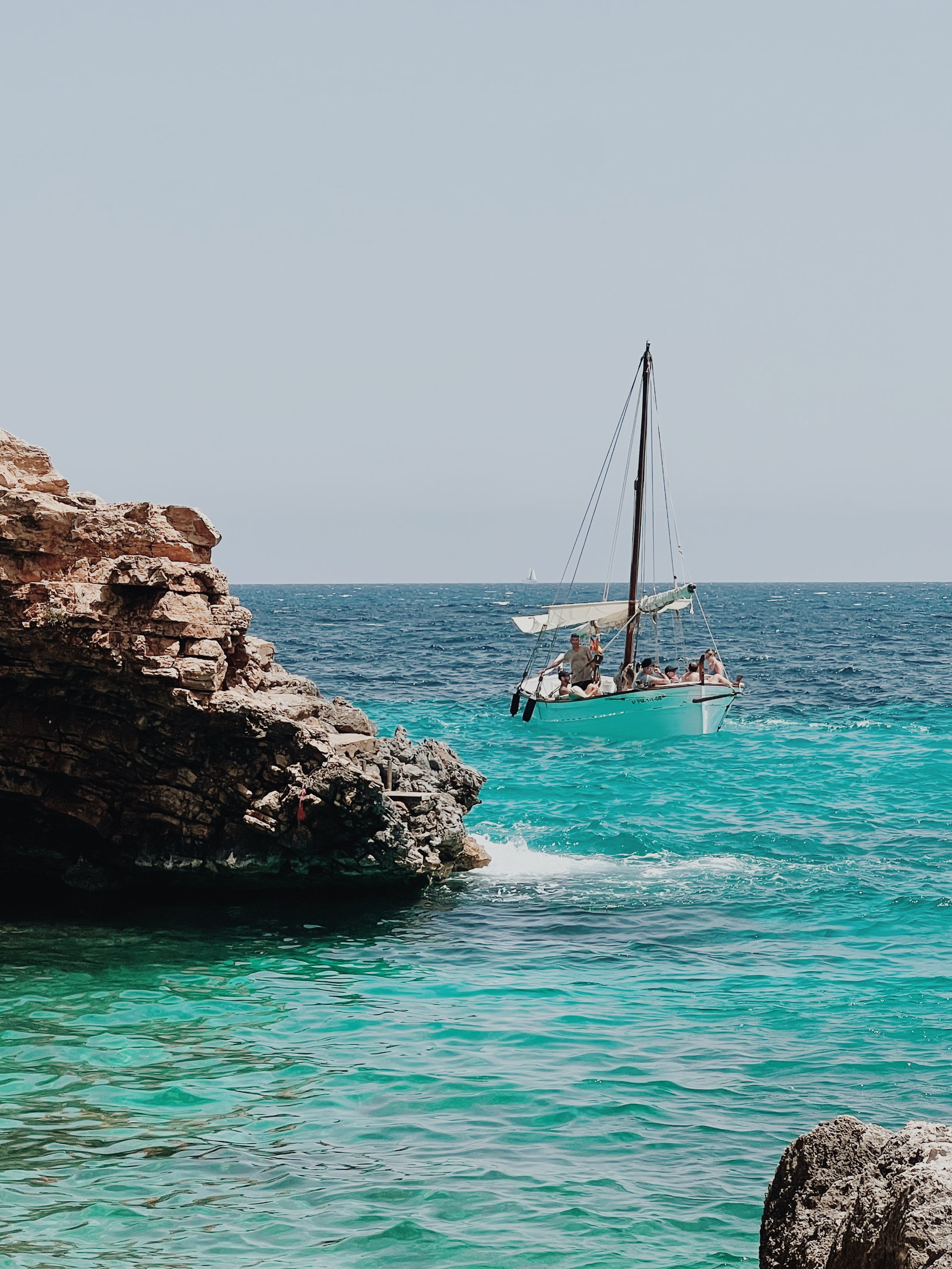
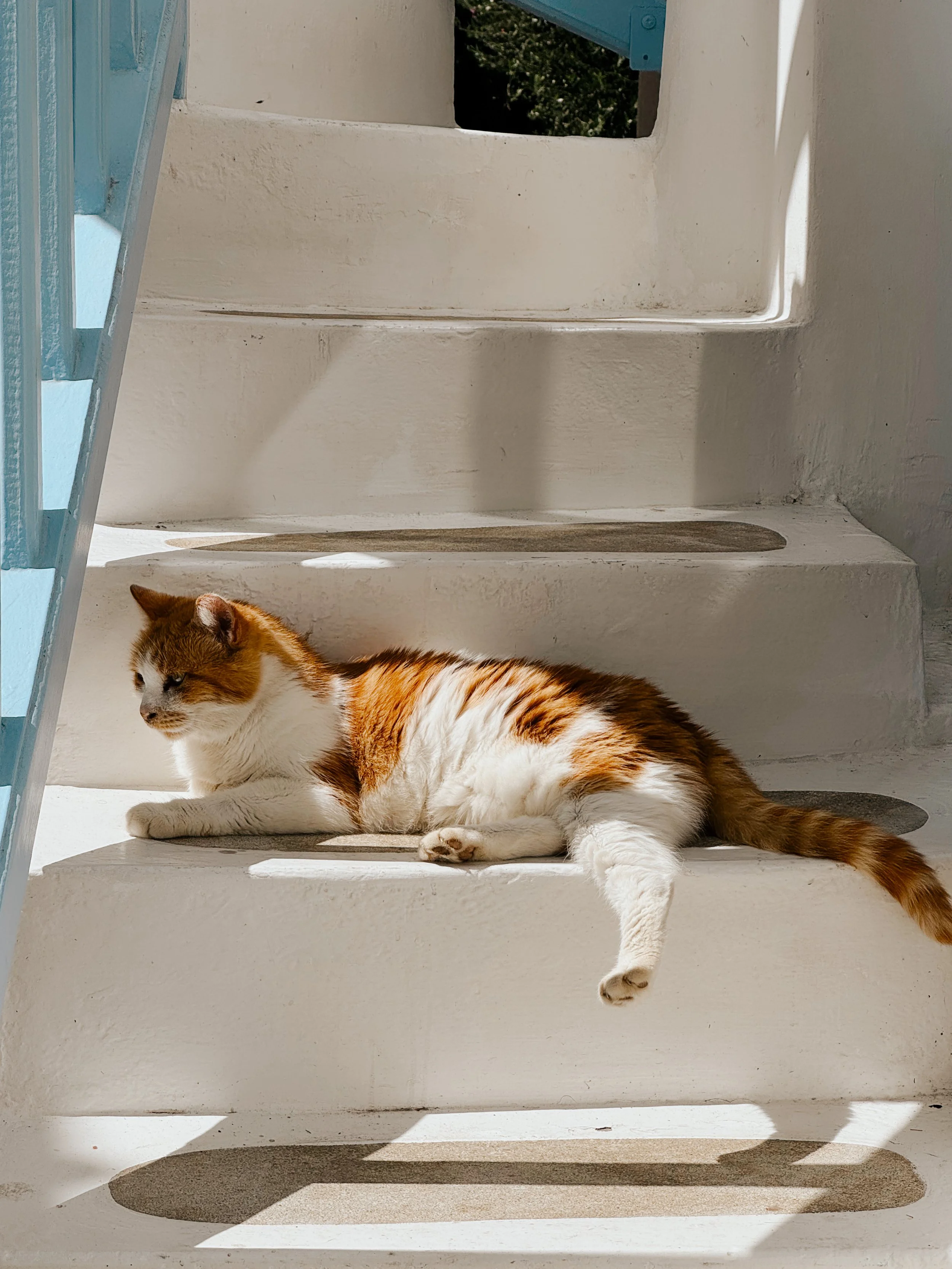
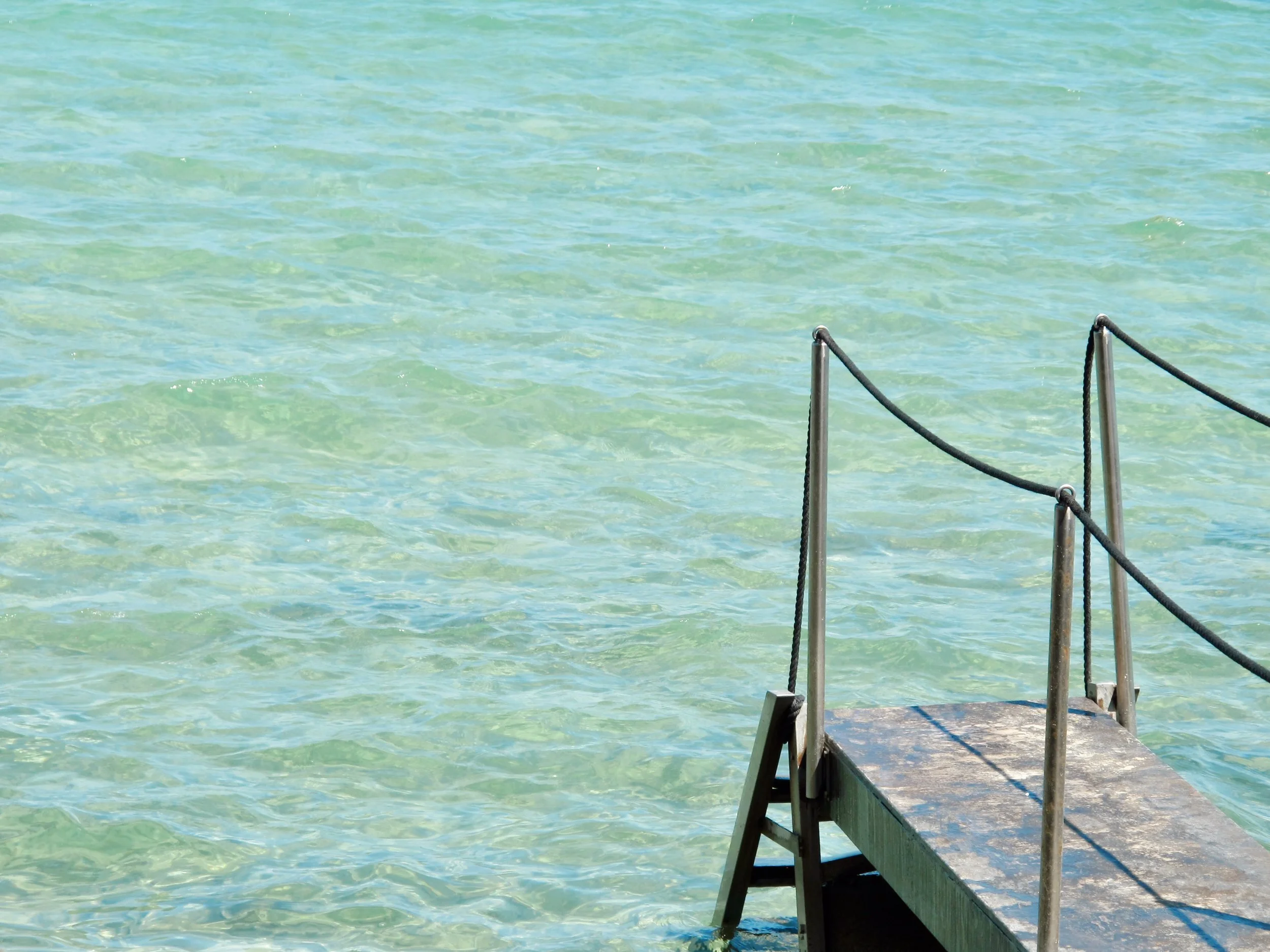
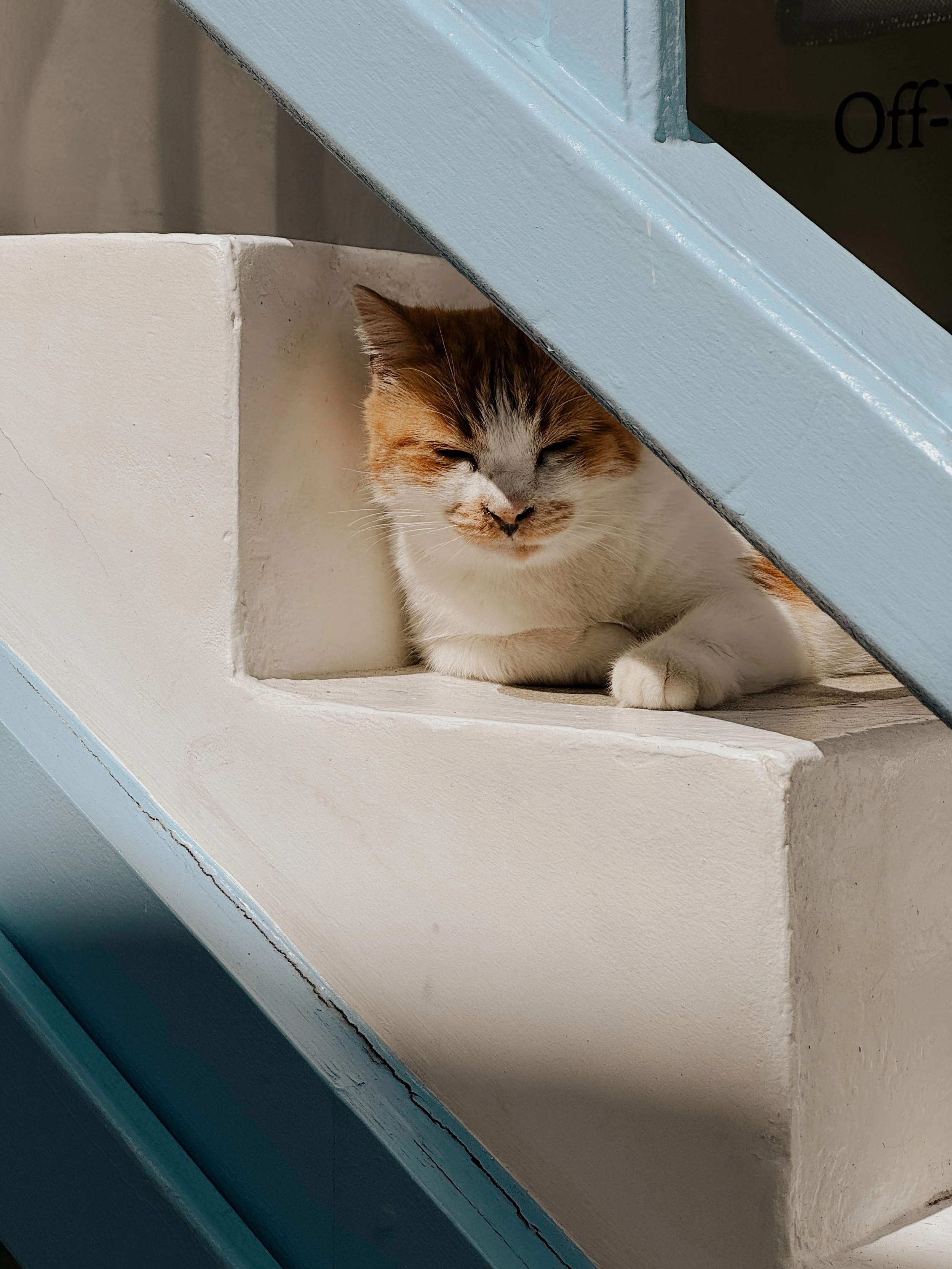
We opted for the long ferry from Athens to Paros. I would not have travelled there any other way. Experiencing the boat, the people, the islands floating past and the fun on board only added an intimate touch. We landed in Parikia, Paros, ferry doors descending, granting all of us a tempting view of the days to come. A big, old windmill, white buildings, and rugged terrain promised a time well-spent. The port town, like most, was bustling. Cafes, ATV motor rentals galore. We hopped into a taxi, which wound us through villages and up steep inclines to Kalypso – a beautiful hotel in Naoussa. Welcomed in by friendly faces and the property cats (who, respectfully, are treated as valued community members in Greece), we felt right at home. Waiting for our rooms to be ready, we opted to change into swimwear and sit water-side on their beautiful seafront property. We indulged in local drafts, fresh-squeezed orange juice, tzatziki and pita, a Greek salad, or more locally known as ‘horiatiki salata’. Using the small dock, we refreshed ourselves in the lapping turquoise water. 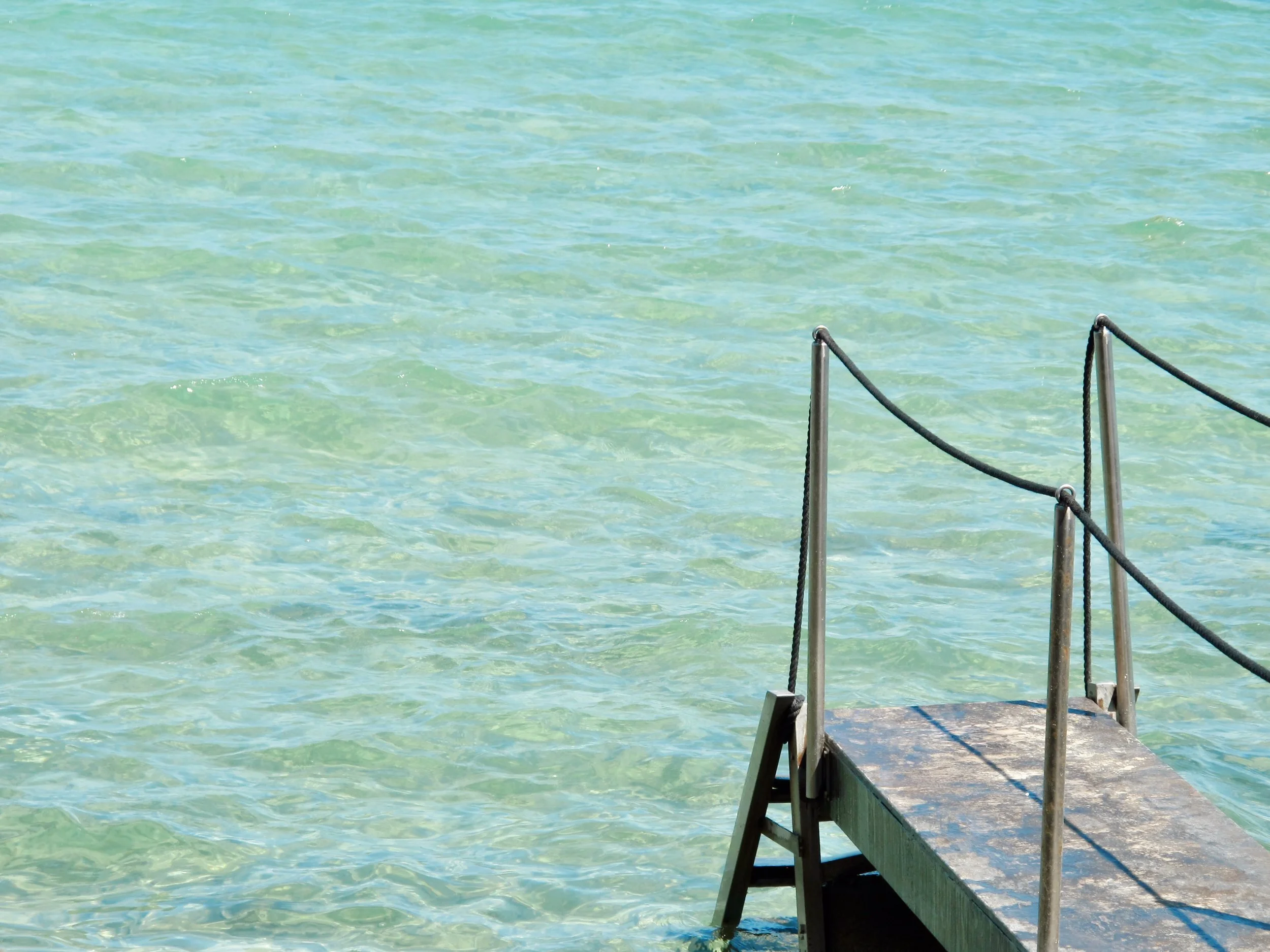
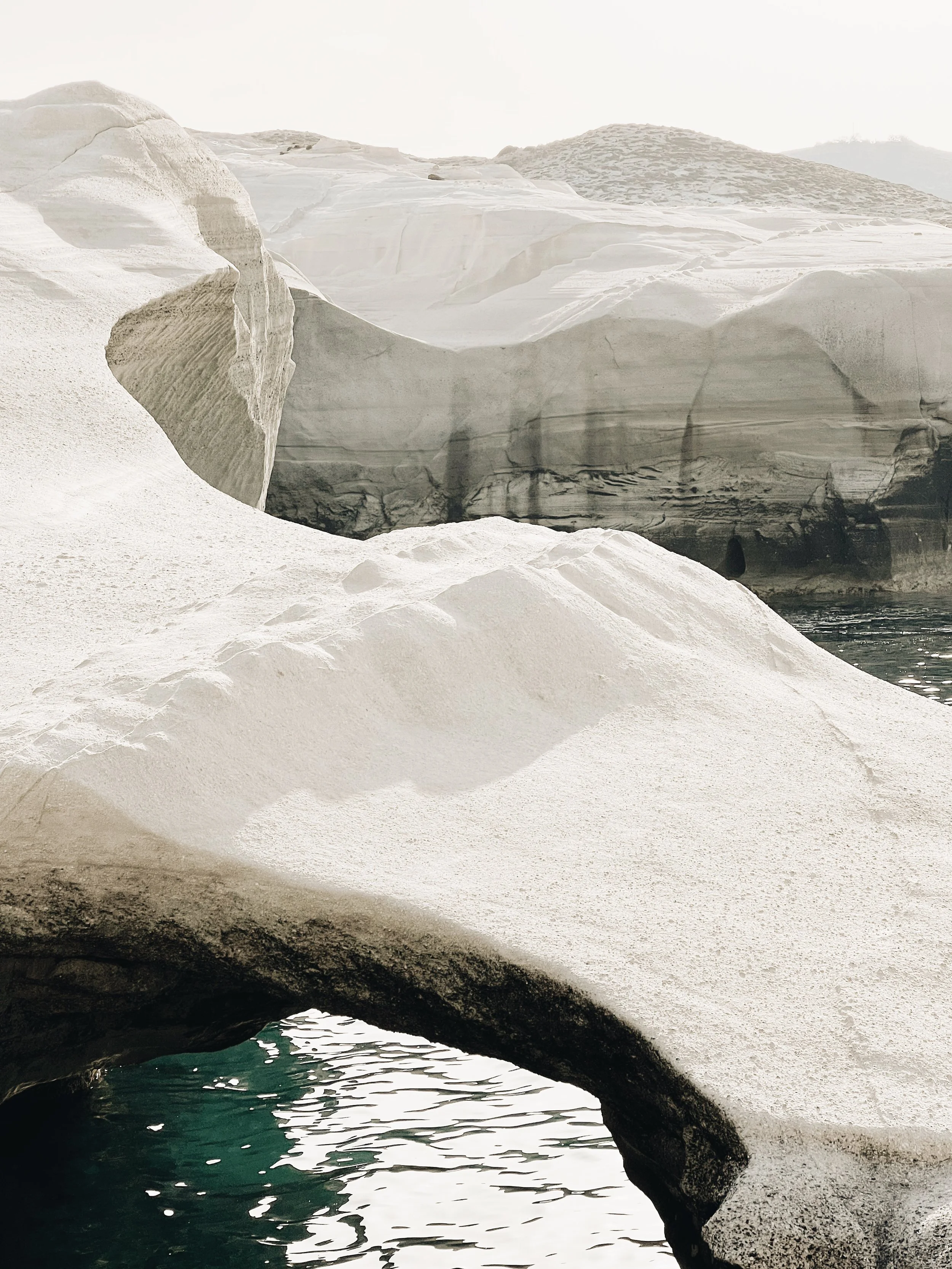
Their breakfasts were wonderful– hardboiled eggs fresh from the island kept warm on baked salts, fresh baked bread and fruits so sweet you find yourself craving nothing else. The most divine greek yogurt, feta and other local cheeses, and eggs scrambled with vine-ripened tomatoes. Our first dinner was at ShoSho. The service: wonderful. The atmosphere: beautiful. The food: out of this world. Dolmadakia I wanted to order again and again, feta me meli – a fresh slab of feta wrapped in a layer of phyllo dough, baked, and drizzled in local honey and black sesame seeds. It lights up your heart. Dips with pita that you want to carry with you forever, traditional moussaka with incredible spices, and the freshest wild-caught sea bass. Paired with a local Paros white, this meal will forever live in my dreams. And if the dream couldn’t get any sweeter, the most wonderful desserts soon followed. The first: a play on the combination of two traditional Easter desserts in Greece: Galaktoboureko and Tsoureki. A light, floral custard, topped with a tsoureki bread pudding soaked in a sweet citrus syrup. Bedazzled with light chantilly cream and fresh chopped pistachios, I hope to someday find this dessert served at my wedding (and every other event I may host). The second dessert was a nod to one of their Christmas classics: the Melomakarona cookies. Soft semolina olive oil cookies soaked in an orange and honey syrup and topped with crushed walnuts were served on top of a fresh ball of ice cream. Both were beautiful odes to classics – something the Greeks do exceptionally well. Every restaurant treats you with a post-meal glass of Mastiha – an herbal liqueur made from the trees of Chios. We wandered the bright, winding streets, every night discovering something new. The town comes alive still bustling at midnight, making for a blissful lost perception of time. In a small window, a family-run business – a girl and her parents – were serving their loukoumades: fried honey balls drizzled with cream and hazelnut chocolate sauce, some with a ball of delicious ice cream, to their line of giddy patrons. Via ATVS, we took the time to explore more of the island. We wound through tiny, narrow lanes among olive trees and small, lush farms. At points, the road dropped so close to the lapping turquoise sea it almost kissed our toes. To Kalogeros Beach – a raw, rugged beach with stark white clay bluffs that made the turquoise green waves saturated. We mixed the fresh, cool and very salty sea water with ground up clay, and covered ourselves for a natural spa moment. After rinsing off, we were so soft, and in awe. A reminder of nature’s healing powers. Paros has made its way to my favorites list, and I look forward to seeing its face again soon.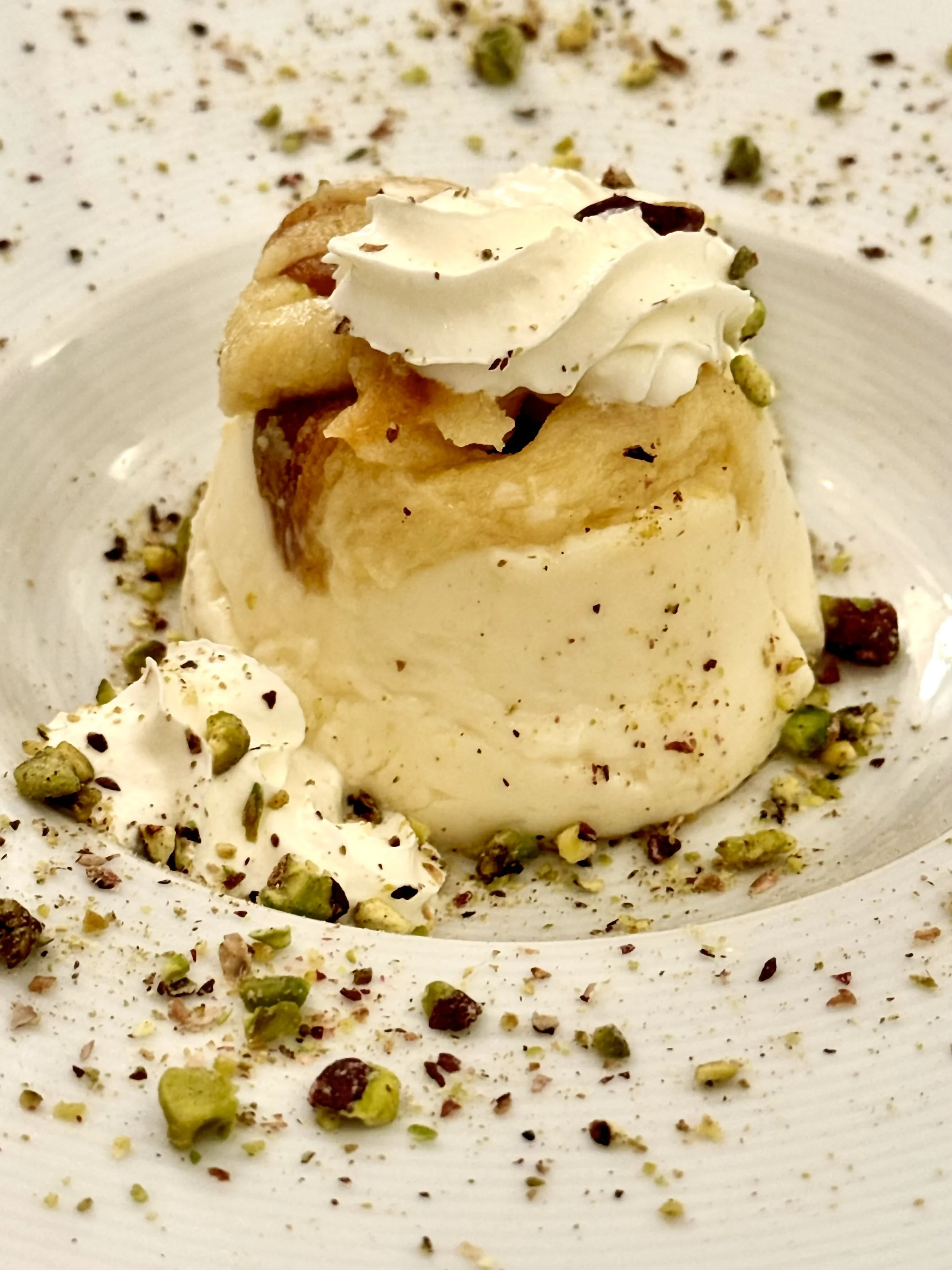
Taste Test Travels • Naxos, Greece
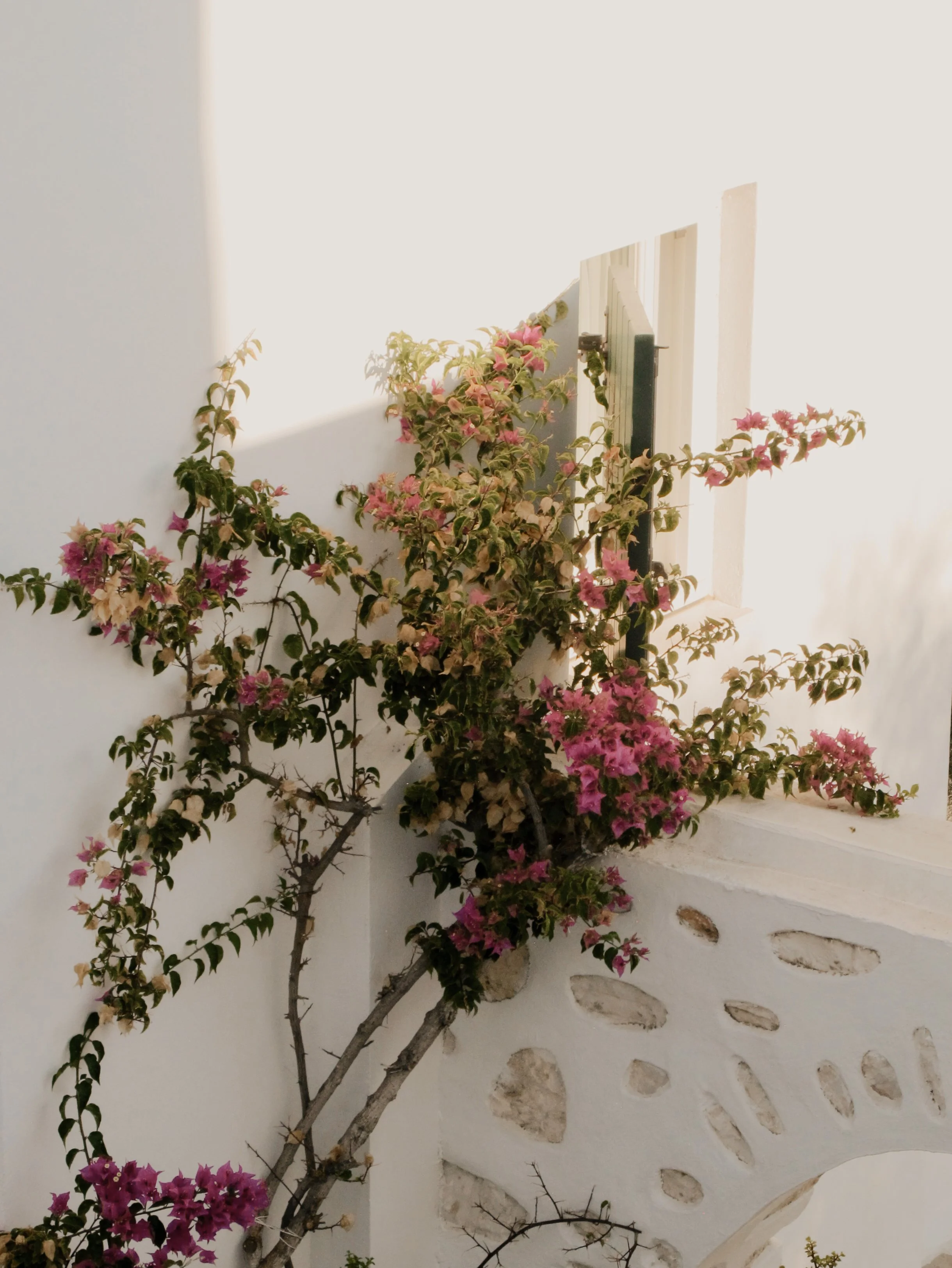
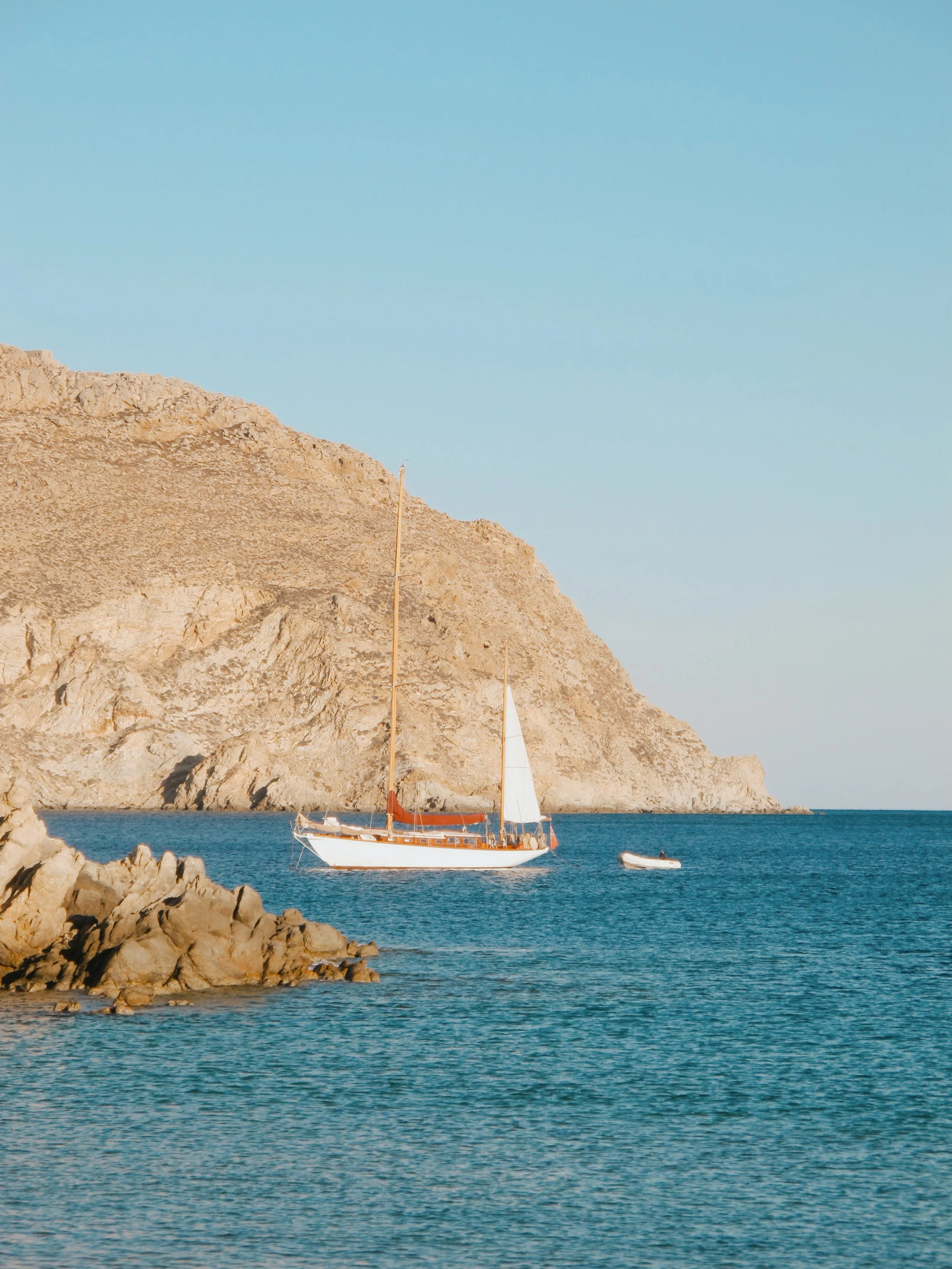
Just across the strait, a ferry will take you 45 minutes to Naxos. The port town instantly informs you of the antiquity of this island, with the iconic white buildings nestled up the hill to the stone ruins of a Venetian castle. This town was swarming. We made the decision to rent a car, as Naxos – the birthplace of Zeus – is the largest island of the collection. It requires a form of transportation to explore all of its facades. While many opt for the bus system, there is something wildly more personal about weaving your own way through tiny villages, and having the freedom to pull over at every outlook, beach, or farm stand. We stayed in Villa Thea Naxos, a heavenly Airbnb placed just outside the village of Vivlos. It sits high above the farms, where goats, dairy cows and roosters are always chatting up a storm. The beautiful, well-designed and serene home offers a panoramic view of the west coast of the island. A rare car, tractor or scooter may interrupt the symphony of animals and breeze, but most of the time is spent basking in the sun watching tiny sailboats navigate the deep blue Aegean, ferries dropping off fresh batches of wandering eyes and the locals working their daily lives among the golden stone landscape. Tales tell that Dionysus, the god of wine and ecstasy, fell in love with Naxos for its spectacular wine, and blessed the land with endlessly fertile soil. The tales are true. Every bite of delicious food is the freshest, most flavorful morsel. You find yourself scraping every plate clean. The locals here suggest you eat your way through the island – so we did. From our 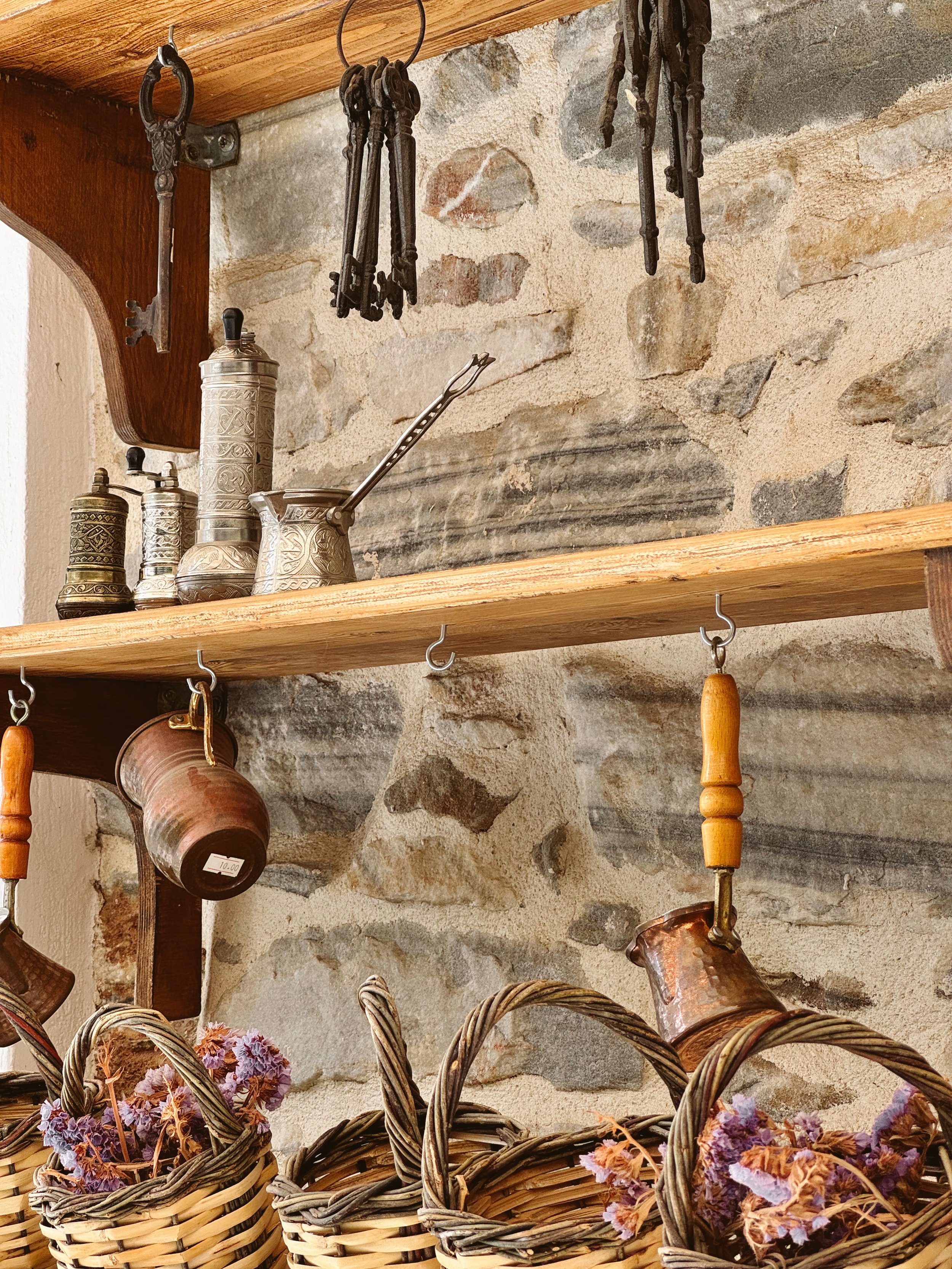
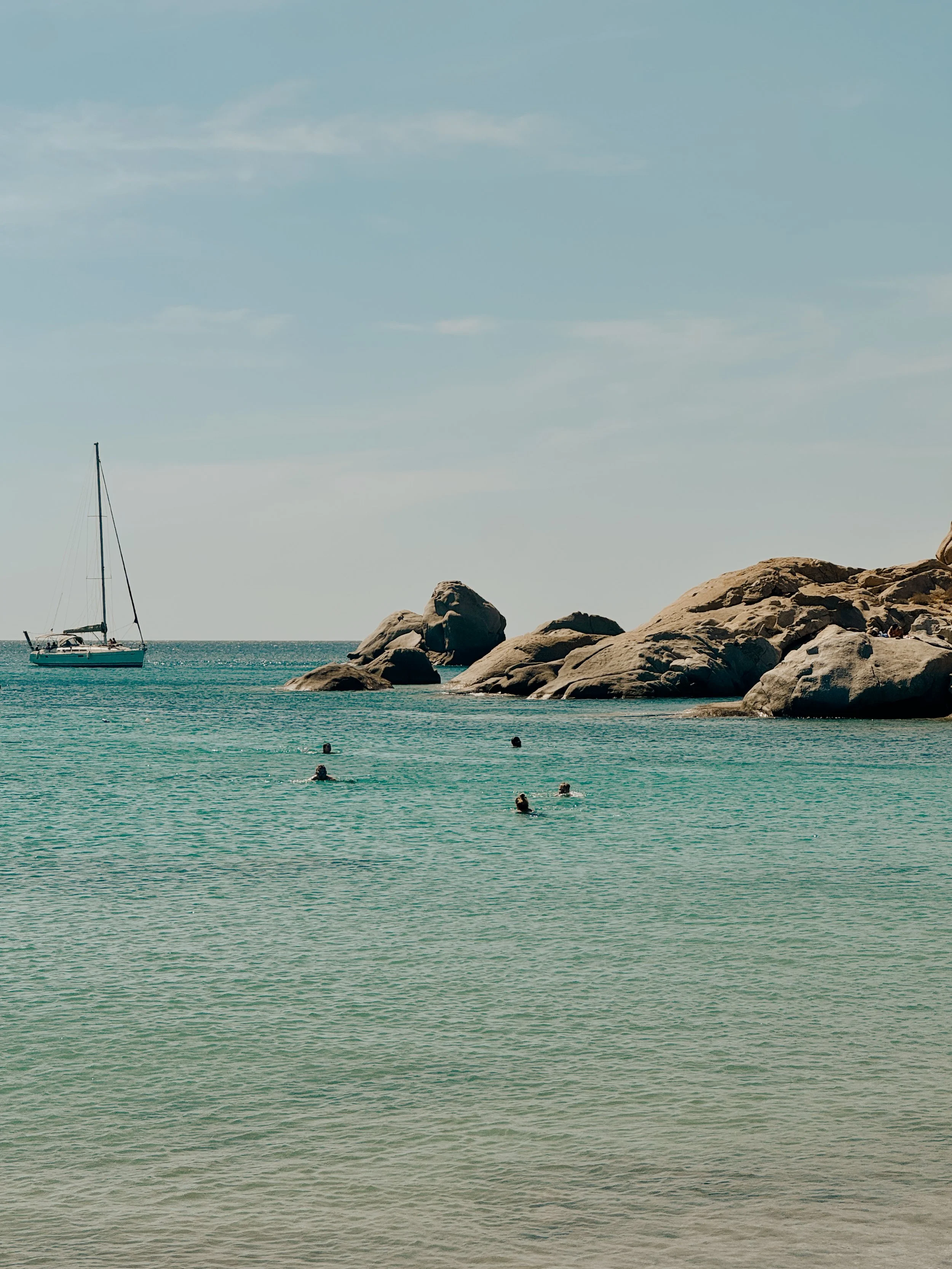
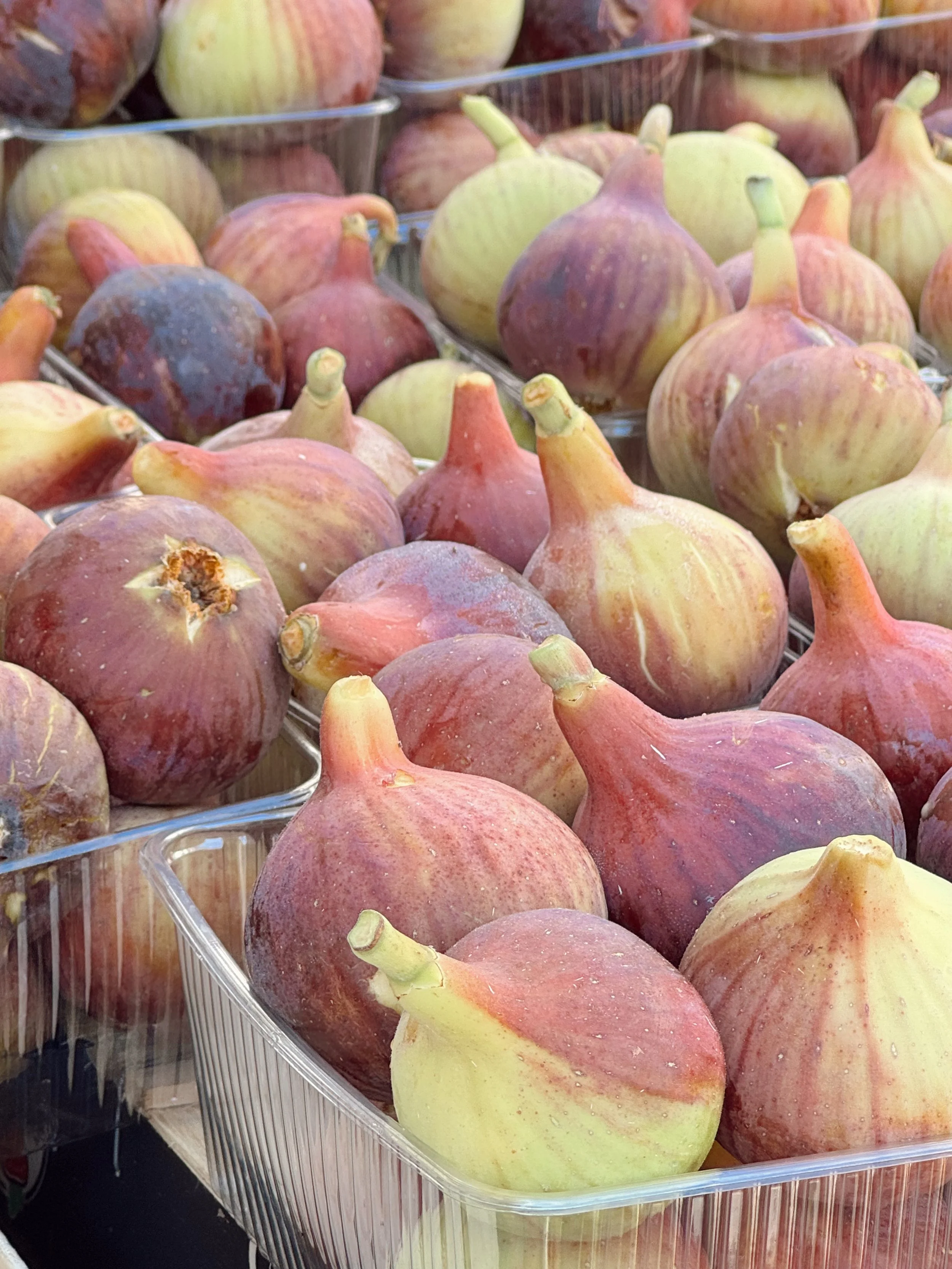
town, the most delicious coconut cake and kataiki from a local bakery. A little further south towards Alyko Beach – a cedarwood forest wrapping calm turquoise water and white sands – and Pyrgalki – a beach with no one else and decorated with beautiful stones and tiny vibrant seashells – you will find Faros Tou Alykou. We indulged in the fava puree, freshly made dolmadaki, fresh beetroot salad, fried zucchini rounds, roasted eggplant with Naxian feta and cinnamon, and Kefalotyri saganaki with local Naxian honey and black sesame seeds… to name a few fan favorites. Always accompanied with horiatiki salata, we left perfectly nourished. Up in the mountains in the sweet town Filoti, we found our new favorite salad and Amvrosia. Fresher than fresh greens, with Naxian dried figs, cherry tomatoes, Naxian gruyere, rusk croutons and a mint vinaigrette. To finish, a traditional Greek coffee, boiled over heat in a copper cup – so sweet and creamy I could drink it black. To move away from the topic of food is a challenge, but Naxos has some of the most beautiful beaches. As described earlier, Alyko and Pyrgaki are rustic and raw –untouched and quiet. While Plaka remains the most popular beach on Naxos, its long stretches of soft sand leaves plenty of space for everyone – perhaps slightly less populated for a September visit. It offers small beach bars and rentable sun chairs and I can imagine in peak season it is bustling. Beautiful with the same touch of rugged nature that makes Naxos unique nonetheless. A local recommended Mikri Viglia – a smaller cove with stunning blue and green waters and soft sand. You can rest here for the days and pop in and out of the beach taverna, finishing off with a delicious dinner. It seems this is the spot the residents all make their way to at the end of their day. Just up the coast is Agia Anna, a sweet beach nestled up to a cute village which offers a strip of seafront restaurants and tavernas. The Greek islands are known for their beaches and beautiful waters, but I could not emphasize enough how imperative it is to make it up to the mountain villages. In Chalki, beautiful local shops sell delectable goods, and sweet cafes and tavernas serve traditional mountain food you will not find on the coast. Filoti has rustic tavernas and cafes and wonderful shops, and Aperanthos, known for its marble-cobbled streets has beautiful shops selling selling ceramics from local articles, plates and figurines carved from Naxian marble – known and loved across the world – and taverns looking out onto the valley. Take your drive to the northwest coast through the mountains and you will find yourself in an old fishing village – Apollonas – that offers even more rustic and untouched views and beaches. Take an evening to drive into Naxos Town, and explore the winding streets that lead you up to the castle. Make your way through the Old Market and pop into the family-run shops to find delightful woven goods, ceramics, and every other possible gift or trinket you might have your heart set on. This island encompasses the pride the locals feel for their lands and their goods. They will offer you fresh desserts, aperitifs, samples of honeys and pistachio pralines, fresh pistachios from their gardens and the richest foods. Agriculturally, resourcefully and culturally abundant, Naxos will take your heart and fill it with gold, leaving you craving for more. Gallery
⦁
Gallery
⦁
Gallery ⦁ Gallery ⦁


final note
I aspire to build a career where I can bring my spirit, creativity, and skills to every project.
And have fun along the way!